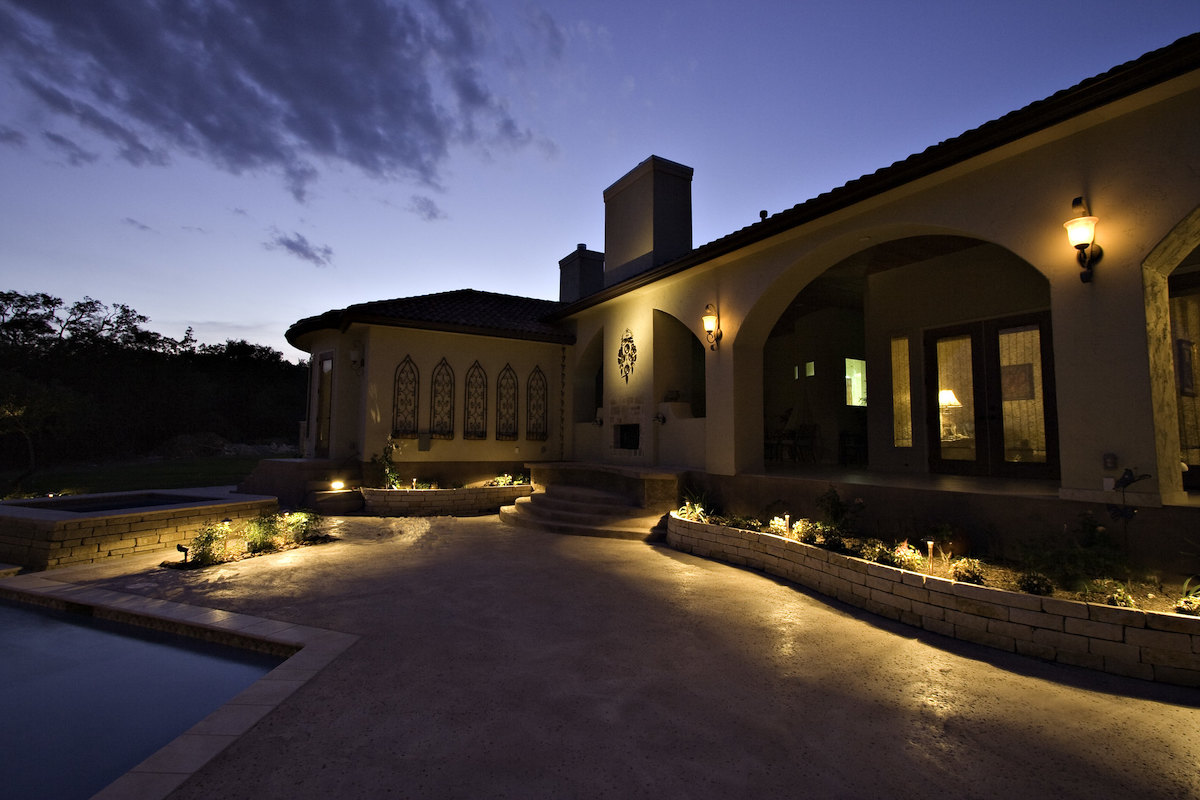
Best landscape lighting options the transition from functional outdoor visibility to sophisticated landscape illumination represents a significant shift in how residential and commercial environments are perceived after dusk. For the modern property owner or developer, selecting a lighting scheme is no longer a matter of simply placing fixtures along a path; it is an exercise in spatial design, security engineering, and electrical precision. The complexity lies in balancing the biological needs of the residents, the architectural integrity of the structures, and the environmental impact of light pollution.
A truly authoritative approach to exterior lighting requires an understanding of the interplay between lumen output, color temperature, and beam angles. By moving beyond the retail-level discourse of “plug-and-play” kits, we find a professional landscape defined by voltage drop calculations, IP ratings, and the nuances of directional shadowing. Temporal, and capable of fundamentally altering the value of a property.
To navigate this field, one must move through several layers of decision-making, from the overarching conceptual frameworks of “layered lighting” to the granular realities of brass versus composite housing. This article serves as an exhaustive reference for those seeking to master the implementation of high-performance exterior systems, prioritizing durability and visual coherence over temporary trends.
Understanding “best landscape lighting options”
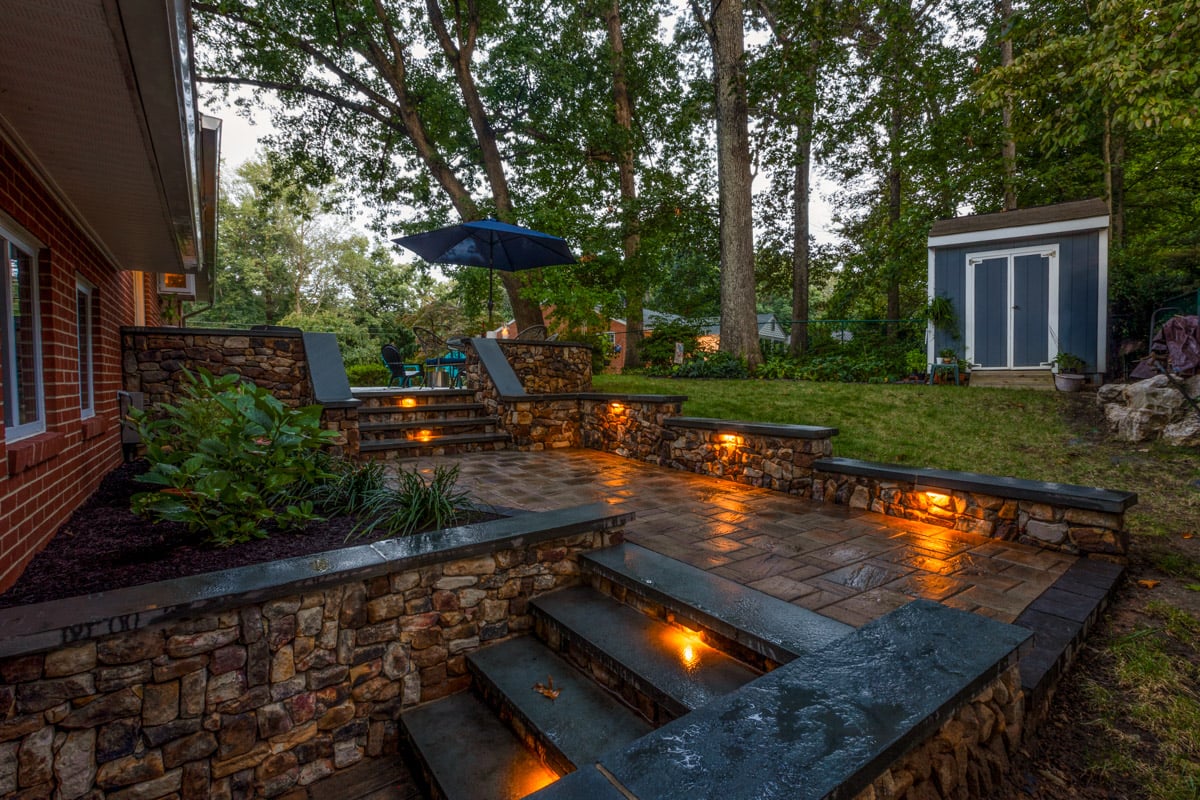
The phrase best landscape lighting options is frequently reduced to a list of popular products, yet in a professional editorial context, the term implies a strategic alignment between hardware and environment. To identify the “best” option, one must first dismantle the myth of a universal solution. What serves as a premier choice for a high-traffic commercial plaza in a coastal environment would be a catastrophic failure for a private, inland woodland retreat.
A common misunderstanding in the industry is the conflation of brightness with quality. Many novices opt for the highest lumen output available, leading to “glare bombs” that diminish the human eye’s natural ability to adjust to low-light conditions.
Furthermore, the “best” options must be evaluated through the lens of material longevity. While initially cost-effective, succumb to oxidation and thermal stress within three to five years. Professional-grade options typically involve solid brass, copper, or high-density composites that manage heat dissipation and environmental exposure with far greater resilience.
The Evolution of Exterior Illumination
Best landscape lighting options the history of landscape lighting is a progression from fire to filament, and finally to the semiconductor. In the mid-20th century, outdoor lighting was largely a byproduct of indoor light spilling through windows or the installation of harsh, high-voltage floodlights for basic security. The 1960s saw the birth of dedicated “garden lighting,” often using low-voltage incandescent bulbs that required heavy, humming magnetic transformers.
The shift toward the modern era was catalyzed by two major developments: the refinement of low-voltage (12V-15V) systems and the LED revolution. Before LEDs, the heat generated by halogen bulbs limited fixture design and led to frequent maintenance cycles as seals failed under thermal expansion. Today’s landscape is defined by “integrated” LED fixtures, where the light source is engineered into the housing for optimal heat management, boasting lifespans exceeding 50,000 hours. This evolution has shifted the designer’s focus from “how do we keep the lights on” to “how do we manipulate the spectral power distribution” to enhance the natural colors of flora and stone.
Conceptual Frameworks: The Three-Layer Principle Best Landscape Lighting Options
To design a high-authority lighting system, professionals rely on mental models that categorize light by its function.
1. The Functional Layer (Path and Task)
This layer addresses safety. It ensures that changes in elevation, such as stairs or terrace edges, are visible. The constraint here is avoiding the “runway effect”—a common mistake where fixtures are placed in perfectly symmetrical rows, creating a distracting and artificial visual line.
2. The Architectural Layer (Accent and Grazing)
This framework focuses on the “bones” of the property. Grazing involves placing a light source close to a textured surface, such as a stone wall, to highlight highlights and shadows. This layer creates a sense of depth and permanence.
3. The Atmospheric Layer (Ambient and Moonlighting)
Ambient lighting provides a soft “wash” of light that fills the gaps between accents. A popular technique within this model is “moonlighting,” where fixtures are placed high in the canopy of trees and aimed downward through branches, mimicking the natural dappled light of a full moon.
4. The Security Layer (Active vs. Passive)
The security framework distinguishes between “active” lighting (motion sensors that startle) and “passive” lighting (consistent, low-level illumination that eliminates dark hiding spots). The latter is often preferred in high-end design as it allows for continuous surveillance without light pollution.
Primary Categories of Landscape Fixtures
The diversity of the best landscape lighting options can be categorized by their light distribution patterns and intended mounting locations.
Decision Logic: Integrated vs. Drop-in Bulbs
A critical decision point involves choosing between integrated LED fixtures and those that use replaceable (drop-in) lamps. Integrated fixtures offer superior moisture protection and heat sinking but require the replacement of the entire unit upon failure. Drop-in systems offer flexibility in wattage and beam angle adjustment but are more susceptible to socket corrosion.
Real-World Application Scenarios Best Landscape Lighting Options
The Coastal Estate
Constraints: Salt air, high humidity, and wind-driven rain.Selection: Solid brass or copper fixtures are mandatory. Aluminum will fail within 12 months.Strategy: Focus on low-profile path lighting to avoid wind resistance and utilize “wash” lighting on the structure to define the silhouette against the dark ocean.
The Modern Minimalist Urban Lot
Constraints: Limited space, proximity to neighbors, hard surfaces.Selection: Linear hardscape LEDs integrated into concrete retaining walls.Strategy: Avoid upward-aimed lights that might cause light trespass into neighboring windows. Use “grazing” techniques on perimeter fences to create a sense of enclosure.
The Wooded Suburban Retreat
Constraints: Dense canopy, irregular terrain, wildlife interference.Selection: High-mounted “moonlights” and heavy-duty cabling buried to prevent rodent damage.Strategy: Use warm color temperatures (2700K) to complement the greens and browns of the foliage, avoiding the “blue” light that can disrupt nocturnal animal behavior.
Economics of Illumination: Cost and Resource Dynamics
The financial commitment for a professional landscape lighting system involves more than the initial purchase of fixtures. One must account for the transformer capacity, the gauge of the wire (typically 12/2 or 10/2), and the labor of trenching.
The “opportunity cost” of choosing a lower-grade system is the eventual necessity of a complete overhaul. A professional system is designed for a 15-to-20-year lifespan, whereas consumer-grade solar or low-cost LED kits typically degrade within two years, creating a higher cumulative cost and environmental waste.
Technical Implementation and Support Systems Best Landscape Lighting Options
Selecting the best landscape lighting options requires a robust infrastructure to support the hardware.
-
Multi-tap Transformers: These allow for different voltage outputs (e.g., 12V, 13V, 14V) to compensate for voltage drop on long wire runs, ensuring that the last light on the line is as bright as the first.
-
Smart Controllers: Moving beyond simple photocells, modern systems use astronomical timers that adjust for seasonal changes in sunset and sunrise based on GPS coordinates.
-
Heat Sinking: In LED technology, heat is the primary enemy. High-end fixtures use substantial metal mass to draw heat away from the diode.
-
IP (Ingress Protection) Ratings: For wet environments, an IP65 or higher rating is necessary to ensure the fixture can withstand rain and irrigation spray.
-
Anti-Wicking Connectors: A common failure point is water traveling up the wire into the fixture; high-quality connectors are filled with silicone to prevent this “wicking.“
The Risk Landscape: Failure Modes in Outdoor Lighting
Failure in landscape lighting is rarely a single catastrophic event; it is usually a compounding series of environmental stressors.
-
Electrolysis: Occurs when dissimilar metals are used in a wet environment, leading to rapid corrosion.
-
Voltage Drop: If the voltage at the fixture falls below the LED’s operating threshold (often 9V), the light will flicker or fail to ignite, eventually damaging the internal driver.
-
Thermal Expansion: Constant cycling between the heat of operation and the cool of the night can crack seals, allowing moisture to enter the optics.
-
Soil Chemistry: Highly acidic or alkaline soil can eat through poorly shielded cabling or composite housings.
Governance and Long-Term System Adaptation Best Landscape Lighting Options
A flagship lighting system requires a maintenance cadence to preserve its performance.
Quarterly Checklist
-
Cleaning: Removing calcium deposits and dirt from the lenses to maintain lumen output.
-
Pruning: Trimming foliage that has grown to block or crowd the fixtures.
-
Alignment: Re-adjusting spotlights that may have been moved by wind, pets, or lawn maintenance.
Annual Audit
-
Voltage Check: Testing the voltage at the furthest fixture to ensure the transformer is still performing within spec.
-
Seal Inspection: Checking for signs of condensation inside “sealed” integrated units.
-
Timer Calibration: Updating astronomical settings or checking battery backups on smart controllers.
Evaluating Performance: Signals of Success
How does one measure the effectiveness of the best landscape lighting options?
Quantitative Signals Best Landscape Lighting Options:
-
Lumen Maintenance: Measuring if the light output has significantly dimmed over a 12-month period.
-
Energy Consumption: Monitoring the wattage draw at the transformer to ensure no shorts or leaks are occurring.
Qualitative Signals:
-
Spatial Perception: Does the property feel larger at night? Effective lighting should define the boundaries of the space, pushing the “visual wall” back.
Addressing Common Misconceptions Best Landscape Lighting Options
-
“Solar is just as good as wired.” Solar lacks the consistent wattage and color temperature control required for professional landscape design. It is a supplement, not a primary system.
-
“More lights are better.” Over-lighting is the most common design flaw. Contrast—the presence of shadow—is what creates beauty in a nightscape.
-
“Color temperature doesn’t matter.” Using “Daylight” (5000K) bulbs in a residential setting often makes the environment feel cold and institutional. Warm white (2700K-3000K) is the professional standard for a reason.
Conclusion
The pursuit of the best landscape lighting options is ultimately a pursuit of balance. It requires a synthesis of electrical engineering, horticultural knowledge, and aesthetic restraint. As technology continues to offer more granular control over spectral output and smart integration, the value of a well-designed, durable, and thoughtfully maintained lighting system only increases, standing as a permanent testament to the property’s character.